
BSSS Annual Conference
Resilient Soils for a Sustainable Future
Jump to: Impact Session | Gala Dinner | BSSS Invited Speaker | Tours | Exhibitors | Sponsors
The conference is taking place at King’s House Conference Centre in Manchester, UK from Wednesday 3 – Friday 5 December.
Abstract submissions have now closed. Thank you to everyone who submitted an abstract for the conference.
View the abstract book for the conference
Tickets are on sale for the conference, with discounts for BSSS members
(If you are interested in membership with the Society, click here)
You can download a mobile version of the programme here
Exhibitors and Partners


Day 1: 3 December 2025
Registration and Poster Set Up - 9:00am - 10:00am

Registration and Poster Set Up
9:00am – 10:00am
Sign in at the registration desk, collect and set up your poster (if applicable) and network with delegates before the conference begins.
Welcome and Opening Remarks - 10:00am - 10:15am
Welcome and Opening Remarks
10:00am – 10:15am
Tony Juniper CBE
Tony Juniper CBE
 Tony Juniper CBE is a prominent environmental figure, active in the defence of Nature for 40 years. He has led major organisations, run global campaigns, written many books and advised at the highest levels. He began his career as an ornithologist and went on to join Friends of the Earth, initially leading the tropical rainforest campaign and then was appointed as Executive Director. He worked as an advisor to HRH The Prince of Wales, was President of the Royal Society of Wildlife Trusts and was an Executive Director at WWF-UK. He is now the Chair of the British Government’s official conservation agency Natural England and a Fellow with the University of Cambridge Institute for Sustainability Leadership. He has advised many global businesses on their environmental strategies. His books include the multi-award winning What has Nature ever done for us? and Harmony, which was co-authored with The Prince of Wales. Tony Juniper is a frequent contributor to TV and radio broadcasts and is a prolific speaker on environmental themes. He has received many awards and widespread recognition for his environmental work and in 2017 he was appointed Commander of the British Empire (CBE) for services to conservation.
Impact Session - 10:15am – 11:15am

Placing soil health on a global stage – bridging the international gap
10:15am – 11:15am (inc. 20 minute Q&A)
– William Blake – University of Plymouth
– Diana Mangalagiu – University of Oxford
– Bruce Lascelles – IUSS President-Elect
(Chair – Prof. Paul Hallett, BSSS President)
Prof. Will Blake
 Will Blake is Professor of River Basin Science and Director of the Sustainable Earth Institute at University of Plymouth with expertise in applying environmental diagnostic tools to support sustainable land & water management. Current work with farmers in UK and the global south explores impacts of land management on soil hydrological processes and use of sensor technology to assess soil composition, supporting the evidencing of Climate-Smart Agriculture and regenerative practices. He is an Advisory Board member of the UNESCO International Sediment Initiative and expert member of Joint UN Food and Agricultural Organization and International Atomic Energy Agency (FAO/IAEA) programmes on nuclear techniques in food and agriculture.
Diana Mangalagiu

Diana Mangalagiu is Professor at the University of Oxford.
With a dual background in natural sciences, her interdisciplinary research encompasses sustainability transitions, long-term planning, and integrated risk governance in public policy and corporate settings, addressed through modelling, stakeholder-based inquiry and foresight approaches.
Over the past two decades, she has led international projects on environmental policy – including the co-chairing of the Sixth Global Environment Outlook for the pan-European region and the Coordinating Lead Author role for the IPBES Nexus Assessment of the interlinkages among biodiversity, water, food, health and climate change. She has published widely on sustainability, and the integration of environmental and economic policies across corporate and public sectors, co-founded the Initiative for Science, Society and Policy Dialogue, is a scientific board member of the Global Climate Forum and High-Level Group for the International Science Council.
Dr. Bruce Lascelles

Dr Bruce Lascelles BSc (Hons), PhD, FISoilSci, MCIEEM, CEnv
Bruce is a Chartered Soil and Environmental Scientist with 35 years’ technical and business management expertise and is currently Director of Sustainable Land Management at Arcadis, a Past President of the British Society of Soil Science and President Elect of the International Union of Soil Sciences. Bruce focuses on the survey and understanding of soils and on the interaction of the physical and biological worlds in relation to land use change. Bruce is a strong and active advocate for soils and the physical environment as a whole and supports a number of organisations around engagement and knowledge in this area.
Soils for Climate - 11:45am – 12:45pm
Oral Presentation Session – Soils For Climate [1]
11:45am – 12:45pm (inc. Q&A)
- Soil and microbial carbon dynamics following conversion of grassland to cropland: stocks, persistence, and susceptibility to extreme heat – Christopher Taylor
- Utilising a 15N2O isotope pool dilution approach to quantify gross production and consumption of N2O in UK saltmarsh sediments – Karina Marsden
- Soil amendments for greenhouse gas removal: a holistic assessment of biochar and enhanced rock weathering in an agricultural cropping system – Elisabeth Appleton
- From Coal to Carbon Sinks: Recovery and Climate Mitigation in UK Restored Mining Landscapes – Kaydee Barker
Launching the LandIS Open Access National Soils Portal - 11:45pm - 12:45pm
 Launching the LandIS Open Access National Soils Portal – Cranfield University
Dr. Dan Evans
Professor Ron Corstanje
11:45am – 12:45pm (inc. Q&A)
Parallel Room
Abstract
Since 1987 Cranfield University has been the custodian of the National Soil Data for England and Wales, on behalf of Defra. In 2026, the LandIS national soil database will become open access, and with this comes new and exciting innovation opportunities for how soils data is managed and accessed. In this workshop, we will provide more information about the launch of our open-access LandIS National Soils Portal and invite the community to feed ideas and suggestions for how soils data can be collected, stored, visualized, and distributed most effectively.
Dr. Dan Evans
 Dan is a Senior Lecturer in Soil Formation at Cranfield University. He leads both fundamental and applied research on soil formation and the parent materials from which soil is formed. His work focuses on the interactions between parent materials and soils, how soil parent materials support soil ecosystem services, and the natural and anthropogenic threats to the parent material zone. He also studies how soil formation can be accelerated, such as the manufacturing of new soils for urban green infrastructure.
Dan’s passion for soils research germinated in 2012 when he studied mobile debris lobes in Alaska during a Royal Geographical Society Scholarship. Following his return, he obtained a first-class degree in Physical Geography at the Royal Holloway, with prize-winning research on root architecture and soil erodibility. During his PhD at Lancaster University, he conducted the first isotopic measurements of UK arable soil formation, and the first globally-relevant estimates of soil lifespans.
Dan is the Early Career Scientist representative for the European Geoscience Union, representing >20,000 Early Career Scientists from more than 20 geoscience disciplines across the Union. Previously, he was former ECS Representative for the Union’s Soil System Science division and the National ECS Officer for BSSS.
Professor Ron Corstanje
 Ron is Professor of Data Sciences at Cranfield and Head of the Cranfield Environment Centre. He specialises in the application of spatio-temporal models to understand the nature and behaviour of natural systems and processes. He is interested in the application of (spatial) modelling tools to understand the structure and function of environmental systems and processes. Environmental systems are complex, and this expresses itself as complex but determinable spatiotemporal patterns. The application of these approaches has led to significant advances in our understanding on the spatial dynamics of ecosystem services, in particular in Urban areas. Another key area in which these techniques have proven invaluable is in the area of resilience as applied to ecological functions, allowing significant insights into the nature and functioning of resilience. Both these areas have significant societal significance, in helping inform how to infer resilience in the natural and man-made systems on which we depend, but also in how to design and plan the built environment to retain the benefits from the natural capital inherent in our greenspaces.
Lunch - 12:45pm – 1:35pm
LUNCH
12:45pm – 1:35pm
BSSS Extraordinary General Meeting (EGM) - 1:35pm - 1:45pm

BSSS EGM
1:35pm – 1:45pm
British Society of Soil Science EGM to elect various committee members.
EU Mission Soil - 1:45pm - 2:15pm
EU Mission Soil: Leading the transition towards healthy soils through innovative research
1:45pm – 2:15pm
Dr. Panos Panagos, Project Leader of the EU Soil Observatory
Dr. Nils Broothaerts, Scientific Project Officer at the Joint Research Centre of the European Commission.
Dr. Panos Panagos
 Panos Panagos is the project leader of the EU Soil Observatory (EUSO). Panos has a PhD in soil erosion modelling from University of Basel, and Master in Business Administration from Patras University and an Information Technology degree from Athens University of Economics & Business. Panos lead the European and Global soil erosion assessments and contributes to modelling assessments of soil organic carbon, diffuse pollution and nutrients in soil. He has more than 230 publications in peer-review journals and he has been awarded the Web Of Science highly cited award in the last 6 years 2019-2024. He is coordinating the Working Group on “Soil erosion in relation to land degradation, climate change & food security” in the European Soil Observatory. Panos is also responsible for the scientific and technical support of the JRC to the HORIZON Europe Mission “A Soil Deal for Europe”.
Dr. Nils Broothaerts

Dr. Nils Broothaerts is a Scientific Project Officer at the Joint Research Centre of the European Commission. Nils has a PhD in Geography from the KU Leuven (Belgium) and the VU Amsterdam (Netherlands). He has a broad experience in various fields of earth and environmental sciences, including soil monitoring, human-climate environment interactions in the past, geo-archaeology and geo-ecohydrology. At the EU Soil Observatory, Nils is dedicated to soil health monitoring at the EU scale and is working on the monitoring building blocks of the Mission Soil. His works includes the development of the various EUSO Soil Dashboards.
Abstract
Soil health is high on the EU political agenda. To protect, restore and safeguard soils, the EU has launched the EU Soil Strategy for 2030 and the EU Mission Soil. In addition, the newly adopted Soil Monitoring and Resilience Directive will bring a new momentum for soil protection in the EU. These policy frameworks come at the right moment, as more than 60% of EU soils are currently affected by one or more soil degradation processes.
In this presentation, we will discuss the status of the EU soil policies. Focus will be on the Soil Monitoring and Resilience Directive and the Mission Soil, and how it is leading the transition towards healthy soils. With specific examples, we will illustrate cutting edge soil science development within the Mission Soil. We will also highlight the specific role of the EU Soil Observatory and its scientific activities.
Overall, the presentation will show how the EU soil policies and the EU Soil Observatory are advancing the data, knowledge and tools on soils and leading the transition towards healthy soils.
40 at 40 (SUM) - 1:45pm - 2:15pm
40@40: Insights from Forty Papers Across Forty Years of Soil Use and Management
Fiona Nicholson
1:45pm – 2:15pm (inc. Q&A)
Parallel Room
Abstract
40@40’: Insights from Forty Papers Across Forty Years of Soil Use and Management
Authors: Leo Condron, Lisa Lobry de Bruyn, David O’Connor, Adrian Unc, J. Webb and Fiona Nicholson*
*ADAS Gleadthorpe, Meden Vale, Mansfield, Nottinghamshire NG20 9PD, UK. Email: fionanicholson2018@gmail.com
Abstract: This year marks the 40th anniversary of the BSSS journal Soil Use and Management (SUM), which is celebrated with a special collection of 40 papers. Over four decades, SUM has evolved from a UK-centric publication to one with significant international reach, reflected in the global distribution of its authors, the internationally diverse editorial team and the rising number of published articles. In this talk, we revisit selected papers from the SUM archive to chart the development of applied soil research, from its original agricultural focus to a broader role in tackling global environmental challenges and societal concerns. We examine how the topics covered have shifted – ranging from soil acidification and nutrient management to carbon sequestration and innovative soil amendments –and how this research has influenced current thinking in sustainable land management. The journal continues to examine the nexus between soil’s inherent properties, soil management practices and the people who steward this resource for its optimal use. Looking ahead, SUM remains committed to publishing innovative research that provides new insights into the influence of natural and anthropogenic processes, with an emphasis not only on agricultural productivity but also on soil functions, soil health, and the long-term sustainability of managed ecosystems.
Keywords: soil, use, management, journal, research
Fiona Nicholson

Fiona is a soil scientist who has worked for over 25 years with ADAS studying the impacts of agricultural practices on soils and the wider environment. Particular research interests include heavy metal fate and behaviour in agro-ecosystems, and the environmental effects and nutrient value of organic material applications to agricultural land.
She was a deputy editor for Soil Use and Management from 2014 to 2019, and now acts as social media coordinator.
Soils for People [1] - 2:15pm - 3:15pm
Oral Presentation Session – Soils for People [1]
2:15pm – 3:15pm (inc. Q&A)
- First Signs that National Cropland Organic Carbon Loss is Reversing in British Topsoils – Laura Bentley
- Factors influencing soil carbon stocks and sequestration rates in Northern Irish grasslands – Chris Chagumaira
- Translocation of organic carbon in the soil profile of a longterm experiment: scale and implications – Stephan Haefele
- Continental Scale Soil Monitoring: A Proposed Multi-Scale Framing of Soil Quality – Grant Campbell
Advances for Soils - 2:15pm - 3:15pm
Oral Presentation Session – Advances for Soils
2:15pm – 3:15pm (inc. Q&A)
- Evaluating influence of moisture in controlling release of nutrients in novel green fertilisers using neutron imaging and muonic X-Rays – Ruben Sakrabani
- Soil bulk density, ultra-high frequency, non-invasive seismic soil analysis – Simon Jeffery
- Development and testing of a predictive approach to Agricultural Land Classification and potential applications – Liv Hoyland
- Monitoring soil health for the evaluation of Agri-Environment Scheme outcomes –John Langley-Randall
Parallel Room
Poster Session 1 - 3:30pm - 4:30pm
Poster Session 1 – Soils for People
3:30pm – 4:30pm
Measuring nematode with automated microscopy and AI (Royal Eijkelkamp) - 3:30pm - 4:00pm

A New Standard for Soil Ecosystem Services and Functional Biodiversity: Measuring nematode with automated microscopy and AI – Royal Eijkelkamp
Bob Klein Lankhorst
3:30pm – 4:00pm
Parallel Room
Synopsis
A New Standard for Soil Ecosystem Services and Functional Biodiversity: Measuring nematode with automated microscopy and AI
As climate change intensifies and is bringing more droughts, heatwaves, and extreme weather, soil health is critical for resilient land-use systems. Healthy soils support sustainable crop production, enhance water retention, improve carbon sequestration, and strengthen ecosystem resilience. This presentation explores the role of soil-health monitoring in climate adaptation, highlighting innovative techniques, especially around soil life dynamics.
To this end, nematode community analysis serves as an informative proxy for soil food-web structure and ecosystem services. We present a workflow that couples automated light microscopy with machine learning/AI. The image-derived metrics support nematode-based indices (NBIs) for data-supported decision-making. With this approach, Antonie (a Royal Eijkelkamp spinoff) aims to set a new standard for soil-life monitoring and ultimately improve our understanding of soil-ecosystem functioning.
Bob Klein Lankhorst

Engaging Youths in Climate Change - 4:00pm - 4:30pm

Engaging Youths in Climate Change response: Role of Climate Smart Agriculture Youth Global
4:00pm – 4:30pm
Wansi Ulrich
Divine Ntiokam
Parallel Room
Synopsis
Climate Smart Agriculture and Youth Network Global (GCSAYN) is a dynamic network of youth serving individuals and partner organizations with a strong interest in Climate Smart Agriculture and sustainable agriculture. Our network encompasses over 170 countries through connection, utilizing online platforms, where members share findings and seek practical advice for their projects and activities. It is an organization that encourages young people to come into agriculture. It realizes that the future is dependent on agriculture both for the provision of food and raw materials for industries.
The primary objective of GCSAYN is to create awareness and build the capabilities of young people on CSA concepts to strengthen their abilities to adapt and mitigate emissions of greenhouse gases (GHG) while sustainably increasing agricultural productivity and food security.
In deciding to partner with the British Soil Science Society, GCSAYN believes that Soil is the heart of climate action, food security and biodiversity. Soil is the central material for food production. Soil is also an important component in mitigating and adapting to climate change which is currently a big concern in agricultural production. Hence, the youth having a firm understanding of effective soil management and how to use it to ameliorate the impact of climate change, is going to encourage Climate Smart Agricultural production. It is therefore important that we have young people who have a clear appreciation of soil management and crop production in a way that is sustainable and resilient to climate change and also in a way that enhances the welfare of man and the ecological integrity of the environment.
A partnership between GCSAYN and BSSS is going to be a win-win situation because the two organisations will work together through their interns and mentees to inculcate sound soil management principles and techniques as well as the climate smart technologies and Climate smart techniques in handling agricultural production. The result will be that we are creating future farmers that are well grounded in managing the soils as well as managing crop production in a way that is Climate Smart and resilient to the vagaries of climate change.
Ulriche Wansi
 Ulriche Wansi is a development practitioner dedicated to advancing community resilience, poverty reduction, and sustainable agriculture through knowledge sharing and evidence-based action. With a background in Agricultural Engineering and a Master’s in Development Project Management, his work bridges research and practice to improve the lives of vulnerable communities.
Ulriche has engaged extensively with local farmers and community groups across Cameroon and Nepal, supporting them to strengthen their livelihoods through improved agricultural practices, soil stewardship, and climate-resilient solutions.
His involvement with multilateral development projects financed by the African Development Bank and International Funds for Agricultural Development provided hands-on experience in supporting producer organisations, amplifying local knowledge systems, and ensuring that community voices guide development interventions.
He believes strongly in community-led development, where indigenous knowledge, youth leadership, and locally appropriate innovations form the foundation of sustainable progress. Through volunteering and grassroots initiatives, he has facilitated knowledge sharing, supported capacity-building programmes, and empowered young people and farmers to become drivers of change within their own communities.
Ulriche’s engagement in global platforms, such as the UN Food Systems Summit 2021, UN COY16, and the IUCN Global Youth Summit, reinforces his commitment to connecting local realities with global dialogues. In his role at GCSAYN, he contributes to strengthening a global youth network across more than 170 countries, championing soil health, climate-smart agriculture, and inclusive development.
His work reflects a simple conviction: sustainable societies are built when communities are empowered, connected, and equipped with the knowledge they need to shape their own future.
Divine Ntiokam
 Mr. Divine Ntiokam is the Founder and Executive Director of Climate Smart Agriculture Youth Network Global (GCSAYN), championing youth engagement in sustainable agriculture through the active GCSAYN in over 176 countries. He was appointed one of the UN Food Systems Champion to support the 18months planning of this historic and ambitious Summit. He was equally served as the Global Youth Digital Advocate for the Post-2015 Development Agenda and MY world 2015 Global Survey which was the framework to define the 2030 Agenda for Sustainable Development and the 17 SDGs back in 2012-2014. He was equally the initiator of the Global Goals into 60 local languages prior to the adoption on September 25, 2015. He served as African Continental Vice President of Youth in the Livestock, Fisheries, and Aquaculture Incubation Network, and is a FOLU Coalition International Ambassador. Divine is a core member of the Africa Europe Foundation’s Strategy Group, supports the World Food Prize Foundation, and has enabled him to serve as an active member for the IUCN Communication and Education Commission (CEC) and most recently Climate Crisis Commission (CCC).
Regenerative Agriculture - 4:30pm – 5:15pm
Regenerative Agriculture – Putting Research into Practice
4:30pm – 5:15pm (inc. Q&A)
Professor Pippa Chapman, University of Leeds
Dr Ruth Wade, University of Leeds
Dr Hannah Cooper, University of Nottingham
Philip Wright, Wright Resolutions Ltd
[Chair – Dr. Lizzie Sagoo]
Synopsis
Regenerative agriculture is gaining popularity but there still remains a lack of evidence-based practice particularly on the most efficient and effective way to transition farming practice to a regenerative system. Through a co-design approach, we installed a large, replicated plot trial at Leeds University farm in 2022, measuring the impact of stacking regenerative agriculture principles on soil functioning, hydrological properties, pests, disease and weed incidence, crop production and greenhouse gas emissions. Hear more about the on-going trial and latest results.
Prof. Pippa Chapman
 Professor Pippa Chapman is a soil scientist working in the interdisciplinary field of land and water management. Her expertise focusses on sustainable agriculture, soil health, water quality, and climate change. Her research includes measuring and demonstrating the impacts of regenerative agriculture on soil health, crop health and yield, greenhouse fluxes and water quality at a trial on the University of Leeds research farm.
She is the co-champion for the Natural Environment Research Councils research programme on Freshwater Quality (2022-2026), and working with colleagues at the University of Leeds, AFBI and University of Ulster to monitor and evaluate the impact of the Soil Nutrient and Health Scheme in Northern Ireland.
Pippa serves on national and international advisory, funding and strategy groups, including NERC, BBSRC, Defra, Northern Ireland’s Department of Agriculture, Environment and Rural Affairs Water Quality Science Advisory Group, and Yorkshire Agriculture Society Farmer-Scientist Network. She is regularly invited to present at national agricultural events e.g., Groundswell, Down to Earth, Agroforestry Show, Great Yorkshire Show, AHDB Monitor & Strategic Farms, Gren Farm Collective Open Day, and other Farm Clusters. She also recently gave oral evidence to the House of Commons Environment, Food and Rural Affairs Committee inquiry on soil health.
Dr Hannah Cooper
 Dr Hannah Cooper is currently an Assistant Professor in Agronomy (2023-present) after receiving her PhD in Environmental Science from the University of Nottingham. Her research focuses on enhancing sustainable crop production and evaluating agri-food climate resilience. Her research spans a range of management and land use gradients, including arable soils and peatlands in temperate and tropical regions. One of her main interests is assessing the sustainable management of crop production systems through a variety of techniques, such as measuring greenhouse gas emissions, quantifying soil architecture through X-ray Computed Tomography and assessing the carbon thermostability through Rock Eval pyrolysis.
Dr. Ruth Wade
Transitioning to RegenAg

Dr Ruth Wade is a Lecturer in Sustainable Agriculture in the School of Biology at the University of Leeds. An ecologist at heart, her passion is to use knowledge and ideas from ecological systems in agricultural systems, working towards sustainable farming whilst maintaining a resilient and productive farming system. She uses combinations of novel laboratory, small plot and field scale trials to investigate the impact of different land management decisions and changes in rainfall patterns on plant growth, plant chemical composition, soil structure and fertility as well as interacting organisms such as insects and their natural enemies. For the last three years, she has been investigating different strategies to transition to a regenerative farming system, measuring the impact of following different combinations of regenerative agriculture principles on soil functioning, hydrological properties, pests, disease and weed incidence, crop production and greenhouse gas emissions.
Philip Wright
 Philip Wright trained at Silsoe in the late 1970’s gaining an honours degree in Agricultural Engineering. He became Technical Director of machinery manufacturer Simba where he worked for 28 years before becoming an independent advisor to the Agricultural Industry on soils and cultivations in 2007. Philip’s company, Wright Resolutions Limited, provides independent, cost effective and environmentally friendly solutions for the agricultural industry. Such advice allows Clients to make better informed decisions on topics such as soils and cultivations, systems and machinery selection and setting, and to progress towards a regenerative approach to farming. This includes training for Farmers, Operators, Agronomists and Students. Philip is also an Associate Lecturer on the BASIS Soil and Water Management Courses run by Lincoln University. Machine design and stress analysis services have also been provided to a number of manufacturers in this sector over many years. The Client base also includes bodies such as the Environment Agency, Catchment Sensitive Farming, and the AHDB, together with Machinery Manufacturers and suppliers both within and outside the Agricultural Industry in the UK, Eastern and Western Europe, and the Southern Hemisphere. Philip is a Member of the Institution of Agricultural Engineers, the American Society of Agricultural and Biological Engineers, the British Society of Soil Science and is a Chartered Engineer.
Antimicrobial Resistance - 4:30pm - 5:15pm
An overview of the AMAST (AMR in Agrifood Systems Transdisciplinary) Network and opportunities to engage with its members
Professor Ruben Sakrabani
4:30pm – 5:15pm
Parallel Room
Synopsis
An overview of the AMAST (AMR in Agrifood Systems Transdisciplinary) Network and opportunities to engage with its members
Antimicrobial resistance (AMR) is when bacteria, viruses, fungi or parasites stop responding to antimicrobial medicines. It is deemed to be the next pandemic, and stringent actions need to be taken to mitigate it. It is closely linked to the One Health concept involving humans, animals and the environment, hence its prevalence can be widespread if adequate measures are not taken as surveillance and to mitigate its spread. The AMAST (AMR in Agrifood Systems Transdisciplinary) Network coordinates the agri-food trans-disciplinary community engaged in AMR activities covering crop, livestock and aquaculture sectors. The network will engage in interactions with industry, trade associations, policy makers, and academia involved in food production. It is led by Dr Matthew Gilmour (Quadram Institute) and Dr K Marie McIntyre (Newcastle University). AMAST is one of the eight networks on AMR funded by UKRI under its Transdisciplinary Network to tackle AMR.
The AMAST (AMR in Agrifood Systems Transdisciplinary) Network is dedicated to protecting the future of our food systems and public health by addressing antimicrobial resistance through collaborative, innovative research and action. In the AMAST Network we bring together farmers, scientists, food producers, veterinarians, policymakers, and other key stakeholders to develop practical, evidence-based solutions for optimising antimicrobial use while maintaining productive and sustainable food systems.
The talk will provide an overview of AMAST and its key members, proposed activities and funding opportunities for those interested to apply. In addition to these the talk will be an interactive one involving Slido to engage with the audience on (i) their awareness of AMR in agriculture from the soils perspective (ii) skill sets are existing within the soils community at the event to address AMR (iii) skill sets or training which will be needed to tackle AMR (iv) current AMR challenges facing agriculture from a soils perspective (v) challenges identified which have a short, mid and longer term solution. This is not an exhaustive list but provides an overview of what the talk will cover. A summary of the key messages from the Panel Discussion on AMR as part of the ECR event will also be shared during this talk.
Prof. Ruben Sakrabani
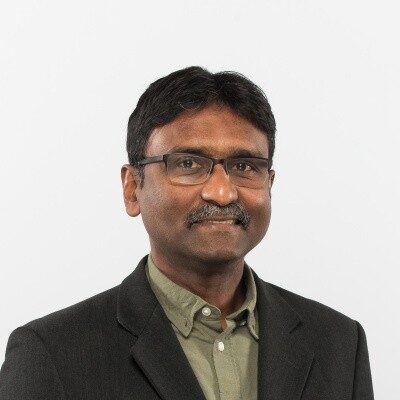 Professor Sakrabani is a soil chemist with more than 20 years of experience in determining nutrient dynamics in soils associated with application of organic amendments such as compost, manure, slurry, sewage sludge, biochar and digestates. His work explores the resource efficiency and reliability of organic amendments as alternative sources of fertilisers to reduce demand on inorganic fertilisers to promote regenerative agriculture. He has an excellent and extensive track record in projects on projects related to formulation and application of novel fertilisers such as organo-mineral fertiliser (OMF) which consist of organic amendments with reduced mineral fertilisers. His interest is AMR is related to use of manure and crop residue as part of OMF and its potential pathways to have antibiotic resistance genes which can contribute to AMR through interactions with selected soil properties. His research covers use of novel approaches using muonic X-Rays and neutron computerised tomography to characterise OMF for its physical and chemical properties.
Summary and Day 1 Close - 5:15pm - 5:30pm
SUMMARY
5:15pm – 5:30pm
British Society of Soil Science
Gala Dinner- 7:15pm – 12:00am
End of Day 1
Day 2: 4 December 2025
Registration and Poster Set Up - 9:00am - 9:30am
Registration and Poster Set Up
9:00am – 9:30am
Sign in at the registration desk, collect and set up your poster (if applicable) and network with delegates before the conference begins.
BSSS Invited Lecture - 9:30am - 10:00am
How to measure, report and verify soil carbon change to realize the potential of soil carbon sequestration for atmospheric greenhouse gas removal
Prof. Pete Smith, Professor of Soils & Global Change at the University of Aberdeen
9:30am – 10:00am (inc. Q&A)
Prof. Pete Smith
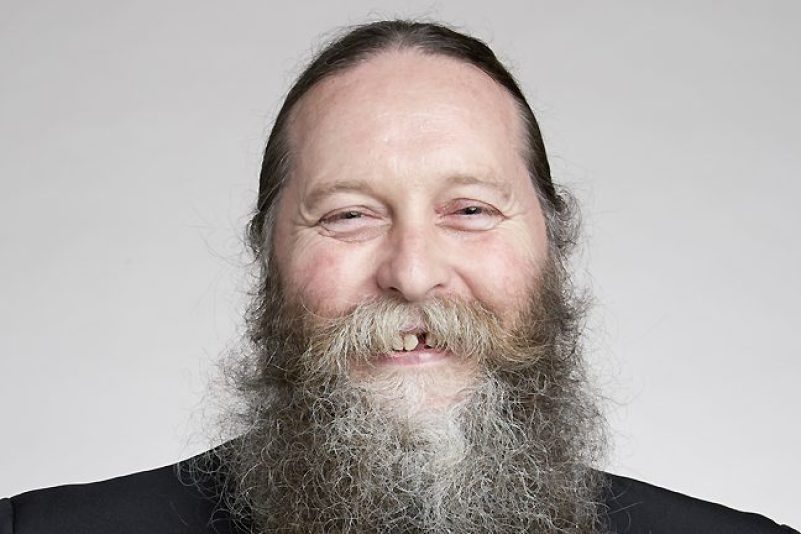 Pete Smith is Professor of Soils and Global Change at the Institute of Biological and Environmental Sciences at the University of Aberdeen and Science Director of the Scottish Climate Change Centre of Expertise (ClimateXChange). His interests include climate change mitigation, soils, agriculture, food systems, ecosystem services modelling and nature-based solutions.
He is a Fellow of the Royal Society of Biology, a Fellow of the Institute of Soil Scientists, a Fellow of the Royal Society of Edinburgh, a Foreign Fellow of the Indian National Science Academy, a Fellow of the European Science Academy, and a Fellow of the Royal Society (London).
Synopsis
How to measure, report and verify soil carbon change to realize the potential of soil carbon sequestration for atmospheric greenhouse gas removal
There is growing international interest in better managing soils to increase soil organic carbon (SOC) content to contribute to climate change mitigation, to enhance resilience to climate change and to underpin food security, through initiatives such as international ‘4p1000’ initiative and the FAO’s Global assessment of SOC sequestration potential (GSOCseq) programme. Since SOC content of soils cannot be easily measured, a key barrier to implementing programmes to increase SOC at large scale, is the need for credible and reliable measurement/monitoring, reporting and verification (MRV) platforms, both for national reporting and for emissions trading. Without such platforms, investments could be considered risky. In this presentation I outline some recent novel developments that show promise for quantifying SOC. I will describe how repeat soil surveys are used to estimate changes in SOC over time, and how long-term experiments and space-for-time substitution sites can serve as sources of knowledge and can be used to test models, and as potential benchmark sites in global frameworks to estimate SOC change. I will briefly describe how models can be used to simulate and project change in SOC and examine the MRV platforms for SOC change already in use in various countries/regions and describe a new vision for a global framework for MRV of SOC change, to support national and international initiatives seeking to effect change in the way we manage our soils.
Soils for Life - 10:00am - 11:00am
Oral Presentation Session – Soils for Life
10:00am – 11:00am (inc. Q&A)
- Boosting Soil Health literacy in Europe through Innovative tools and resources – Saurabh Singh
- The Language of Soil: Learning the Lessons from Climate Change – Karolina Trdlicova
- Co-designing citizen science for monitoring soil health? – Charlotte Chivers
- You Can’t Always Get What You Want – Negotiating Soil Literacy with Stakeholders –Emma McKenna
An Introduction to Soil Organic Carbon Content - 10:00am - 10:30am
An Introduction to Soil Organic Carbon Content – Van Walt
10:00am – 10:30am
Vincent Van Walt, Director responsible for Marketing and R&D
Parallel Room
Synopsis
- What is Soil Organic Carbon Content?
- Why it is important
- As a carbon sink
- Carbon offset credits
- The importance of Soil Organic Carbon Content in agriculture
- How soil samples are taken and collected
- The importance of accurate sampling techniques
- Profiling sediments
- How is it measured in the laboratory
- and how are the results presented
- Tools for direct measurement of SOC content
- What are poor, indifferent and good levels of SOC
- Closing remarks
Vincent Van Walt
 Vincent has many years’ experience in the environmental field – more than he is prepared to admit to! More than 30 years ago he and Kaja, his wife, established Van Walt to fill a gap in the market for equipment that provides consistent, accurate results – equipment that sets the standard for soil and groundwater monitoring and research. Today he remains equally as committed and still spends the majority of his time sharing his expertise on groundwater field techniques, percussion drilling, soil moisture measurement and mineral exploration with customers at home and abroad. As an enthusiastic sailor he has learnt to appreciate the combination of quality and craftsmanship to create something that is both functional and beautiful.
Contamination and Land Remediation - 10:30am - 11:00am
Constructing in a contaminated urban landscape – effective approaches to regenerating soil health
10:30am – 11:00am
Prof. Frederic Coulon, Cranfield University
Jonathan Atkinson – CL:AIRE
Parallel Room
Synopsis
Fred’s presentation examines the regeneration of contaminated urban land through the case of Manchester Sportcity – A History of Remediation and Regeneration. It highlights how a coherent, long-term vision, driven by community aspirations, integrated services, and environmental sustainability, shaped a masterplan that responded to environmental, social and economic needs. Moving beyond conventional, isolated remediation approaches, the project connected together interventions such as soil restoration, sustainable drainage, and active travel infrastructure to deliver a connected, resilient urban landscape. The Sportcity case demonstrates how strategically aligning technical solutions with public values can unlock lasting transformation in post-industrial settings.
Prof. Frederic Coulon
 Professor Frederic Coulon holds the Chair in Environmental Chemistry and Microbiology at Cranfield University and is internationally recognised for his leadership in pollution control and remediation across contaminated land, waste, and wastewater systems. He has pioneered risk-based management strategies and biotechnological solutions that have shaped environmental policy and practice across the UK, Europe, Africa, Singapore, and China.
As the Director of the UKRI Engineering Biology Hub’s Environmental Biotechnology Innovation Centre (EBIC), he leads pioneering research in engineering biological applications and environmental biotechnology to develop innovative environmental solutions. His work drives sustainable solutions within the Water-Soil-Waste nexus, addressing global environmental challenges across industries and scales. His contribution was featured in Cranfield University’s 2014 REF Impact Case Studies for advancing hydrocarbon bioremediation. Prof. Coulon is the Chairman of the European Conference AquaConSoil and the NICOLE Academic Group. He serves as Co-Editor-in-Chief for Environment International and Heliyon Environment, and as Associate Editor for Science of the Total Environment.
Jonathan Atkinson
 After 34 years in the Environment Agency and the KCC Waste reg team Jonathan has recently moved to work with CLAIRE, an industry leading organisation dealing with best practice guidance and frameworks for positive materials management on sustainable development sites, enabling land contamination issues to be dealt with comprehensively.
He has worked on risk assessment of developed closed landfill sites, landfill engineering and environmental controls enforcement on permitted sites, and a variety of land contamination projects. He was part of a team of GW&CL specialists and a national advisor on a number of specific projects related to soil remediation and waste management, including DoWCoP and emerging substances like PFAS.
Soil science across boundaries: 11:15am - 12:00pm
Pecha Kucha Session – Soil science across boundaries
11:15am – 12:00pm
Carbon and Soil Health
- A Pan-Wales study of management intensity effects on Soil Organic Carbon – Non Williams
- Insights into the effects of varying biochar C:N ratios on greenhouse gas emissions and soil carbon pools across contrasting soil types – Muhammad Tauseef Jaffar
- Exploring the Potential of Underutilised Plant Species to Improve Soil Health in Sub-Saharan Africa – Grant Campbell
Archaeology
- Digging soil: Collaboration potential between soil science and archaeology – Meike van Lit
- Archaeological Investigations – Planning for Sustainable Soil Management – Bruce Lascelles
Machine Learning
- Reconstructing soil acidity neutralization curves using Machine 2 Learning and chemical or spectral soil signatures – Ismail Kouera
- Identifying Arsenic Mobility Control Zones in Soils Using the Global Dataset: Machine Learning Insights from pH–OC Interactions Across Textural Classes – Jajati Mandal
Art and Culture: 11:15am - 12:00pm
Does soil matter? Emerging approaches to social science, humanities and art in soil health
11:15am – 12:00pm
Jo Pearl
Daro Montag
Dr. Paul Granjon
[Chair – Prof. Jack Hannam]
Parallel Room
Synopsis
It is argued that the artificial separation between humans and nature (as in all the non human living beings) is a key factor in the ongoing unsustainable extractive relation with the natural world, the notion of nature itself being problematic. A deep realisation that humans are an integral part of nature and a better empathy with non-human living beings could have a positive impact on the collapse of ecosystems, including soil health.
Art in its multiple forms arguably has the power to bring new perspectives and insights to different publics. Since the 1970s artists have created work with soil and soil-related aspects such as food growing and science-inspired experiments. Although the issue of widespread poor soil health is increasingly reaching the mainstream, soil and its complex life web is often overlooked by the general public.
The talk will focus on recent art and creative technology projects that involve different audiences in activities about soil and connections to non human life, with a focus on electrogenic soil bacteria.
In an era of climate crisis rebuilding depleted soils has never been more critical. Few human interventions have the power to mitigate the devastating impact of climate change, as regenerative agriculture. But how to change the hearts and minds of farmers and consumers when post pandemic people are germophobic, addicted to cheap but un-nutritious food, and hooked on practices that grew out of ‘conventional’ wisdom developed by Big-Ag synthetic fertiliser, insecticide and fungicide manufacturers. Art has a key role to play in provoking a re-think about the importance of soil. It can surpise the public – reveal the invisible, and shine a light on what is at stake, often in a more digestible way than straight statistics.
Jo Pearl
Art to reveal soil’s dirty secrets
 Jo Pearl, Multi-disciplinary Artist, Soil and Climate Activist:
London-based artist Jo Pearl is member of the Royal Society of Sculptors, and a former PR whose work has a campaigning edge. Her soil-focused work has been exhibited at the Royal Geographical Society’s Earth Photo 2024, Somerset House’s SOIL: The World At Our Feet, Dialoghi Del Suolo, in Florence accompanying the UISS’s Centenary Congress in 2024, as well as the forthcoming Soil Art Tales, in 7 museums around the EU from November 2025.
Artist and soil activist Jo Pearl shares her most recent work, imbued with wonder about the biodiversity in healthy soil, to playfully make visible the invisible biome beneath our feet. From clay stop frame animation, to kinetic sculpture, Pearl shares how she uses clay and ceramics to speak about soil health, enchanting viewers so that they fall in love with this material. She will be presenting Dirty Secret, her most recent commission for the EU’s Soil Art Tales travelling exhibition that opens in Venice in November 2025, as well as Oddkin and Unearthed Mycelium exhibited at Somerset House’s landmark exhibition SOIL : The World at our Feet in Spring 2025.
Dr. Paul Granjon
Power of the mud: art experiments with soil, electrogenic bacteria and people
 Paul Granjon is an artist and educator whose self-made machines explored the co-evolution of humans and machines with a humorous and critical perspective. The work questioned the validity of a creeping digitization that tends to replace living beings with digital programs and creatures, supporting a society based on economic profit, surveillance and extraction.
His interest in vital issues of resilience and ecological implication grew over the years, based on the conviction that a renewed relationship with plant, animal and mineral beings and environments, combined with a radically re-imagined use of technology are crucial pre-requisites for a good life on earth.
Current practice-based research includes the design and delivery of participative art activities and artworks that combine creative technologies and bio-life with a joyful dimension. The work aims to alleviate eco-anxiety and to stimulate an ecosophical approach to everyday life. Paul currently teaches Fine-Art at Cardiff School of Art and Design and is a member of the Art and Ecology research group at Goldsmiths University.
Daro Montag
 Daro Montag is a visual artist and Associate Professor of Art & Environment at Falmouth University. His art practice has, for over thirty years, been involved with environmental and ecological issues – he is particularly interested in the inherent creativity of the organic world.
He is probably best known for the technique he developed for generating images through the activities of soil micro-organisms, known as ‘bioglyphs’. These works reveal and make visible the microscopic life within soil that would otherwise be impossible to see. It is hoped that these bioglyphs will contribute to a deeper understanding of soil as a living organism.
Daro’s artworks have been exhibited at galleries in the UK, Europe, USA, Australia, China and the UAE, and have been published widely.
Between 2013-16 he co-produced Soil Culture, a series of exhibitions, projects and publications, in collaboration with the Centre for Contemporary Art and the Natural World. This was the UK’s most significant cultural contribution to the 2015 International Year of Soil.
In this talk, Daro will provide a brief overview of some of the various ways that artists have incorporated soil into their creations. In addition to the aesthetic uses of different coloured earths, we shall be introduced to the sculptural, spiritual, and sensual qualities that have been drawn on by artists since the 1950s.
Poster Session 2: 12:00pm - 12:45pm
Poster Session 2 – Soils for Climate
12:00pm – 12:45pm
soil microbiology: 12:00pm - 12:45pm
 How soil microbiology can unlock new frontiers in crop protection and crop nutrition
Society of Chemical Industry (SCI)
Dr Ben Jackson, University of Edinburgh
Dr Angela de Manzanos, CEO and Co-Founder of Fa Bio
Dr Chris Quince, Earlham Institute
12:00pm – 12:45pm
Parallel Room
Synopsis
In this session, we invite researchers from academic and commercial organisations to discuss the role that soil microbiology can play in promoting sustainability in producing food. Three experts in this area will give a short introduction followed by an extended question and answer session.
There is an interplay between the discovering of new things and the wide-scale propagation of those things into real-world use – in this case, the production of food. Science and business collide: the hope is that the best ideas are implemented by commercial farming operations.
Bring your questions about the latest science, the challenges ahead and the ways that we can ensure that the best ideas are adopted by the farming community. The answers will give you a lot to think about.
Dr Ben Jackson
Harnessing plant-soil interactions for sustainability

Ben Jackson is a postdoctoral Research Fellow in the Global Academy of Agriculture and Food Security working with Prof. Liz Baggs on the BBSRC funded LegumeSELECT project. Ben’s research is aimed at better understanding how legume crops differ in their contributions to soil fertility in smallholder farming systems in Sub-Saharan Africa. To do this he is using stable isotope labelling techniques combined with 3D imaging of root systems to understand the links between plant phenotypic responses to management (eg. intercropping vs. rotation), interactions between legume and maize root systems, and soil C and N dynamics.
Dr Angela de Manzanos
The power of beneficial microbes in improving crop protection and nutrition

As CEO, Angela leads the scientific direction of FA Bio, nurturing and evolving the business process design and strategy, defining its innovation pipeline and growth.
With more than 19 years experience in agriculture and using innovation to solve the challenges of sustainability, Angela has a strong background in leadership, biotechnology, and agriculture.
Angela studied for her Bachelor’s degree and Master of Science at the Universidad Politecnica de Valencia. She went on to complete her Master Research in Chemical Biology of Crop Protection and Sustainability and was awarded the Lord Porter Prize, and her PhD in Chemical Biology at Imperial College London. Following the completion of her studies, Imperial College awarded her the Medal for Student Outstanding Achievements awards.
Since completing her PhD Angela has focused on developing her leadership skills, undertaking a Women in Leadership programme by IESE, Business Process Design for Strategic Management by MIT Sloane School, and a course on Dynamic Negotiations by INSEAD Business School. Besides, Angela in an Entrepreneur at the Royal Academy of Engineering and have received a tailored Leadership and Executive Training part of the Shott Scale Up Accelerator Award.
Angela is driven by applying biotechnology to help farmers produce more with less using regenerative agriculture. She is also driven to encourage women pursue an entrepreneurial journey.
Dr Chris Quince
The bioinformatics challenges in resolving soil microbiomes to enable their future application as soil health indicators

Chris Quince has pioneered techniques to reduce sequencing noise and the application of methods such as shotgun metagenomics to microbial communities. This cutting-edge approach fragments and sequences all of the genomes in a microbiome – quite literally taking a shotgun approach – and these are then reconstructed using sophisticated computational approaches. The methods to reconstruct sequence fragments back into metagenome assembled genomes (MAGs) have been significantly advanced by Quince.
He has used these metagenome techniques and analysis methods, in conjunction with his wide network of collaborators, to address urgent clinical questions, such as trialling new treatments for paediatric Crohn’s disease and understanding what drives antimicrobial resistance (AMR) in the gut microbiome.
Dr Quince’s research at the Earlham Institute focuses on:
- Improving methods for metagenome strain resolution incorporating novel long-read technologies and library preparation, as well as plans to extend his methods for metagenome binning to eukaryotes such as fungi.
- Developing novel microbiome analysis methods enabling strain phenotype prediction from MAGs, mechanistic approaches for integration of multi-omics and models for microbial community assembly.
- Carrying out large-scale microbiome data analyses, continuing his previous work on AMR, anaerobic digestors and pediatric Crohn’s disease.
- Commencing the Global Challenges Research Fund GastroPak project, which aims to determine the sources of non-viral gastroenteritis in Pakistan.
Lunch - 12:45pm - 1:45pm
LUNCH
12:45pm – 1:45pm
Water and Flood Management - 1:45pm - 2:15pm
The role of soils in flood mitigation
Prof. David A. Robinson, UKCEH
Dr. David Tompkins, WSP
1:45pm – 2:15pm (inc. Q&A)
Synopsis
Soil properties play a crucial role in determining how precipitation is partitioned at the land surface, influencing the amount that infiltrates into the ground versus what contributes to surface runoff. Alongside factors, these characteristics help shape the land’s response to rainfall of varying intensities. The frequency of intense storms, defined here as those exceeding 50mm within a 24-hour period, is on the rise, prompting an important inquiry into the extent to which soil can contribute to mitigating the consequences of such events. This discussion extends beyond the soil’s capacity for water absorption; it also encompasses its potential to reduce other adverse effects, such as erosion, which not only leads to the loss of topsoil but also produces sediment that can obstruct drainage systems downstream, thereby worsening flood risk.
Prof. David A. Robinson
To what extent does soil have a role in flood mitigation?
 Prof David Robinson, a graduate of soil science from Reading University, has a passion for soils research which has taken him around the globe. In the USA he served as Operations Director for the CUASHI Hydrological Measurement Facility at Stanford, while in his current role at UKCEH his focus is on national and EU soil monitoring, especially regarding indicators and the application of AI and modelling to better understand and predict soil function. He is an Adjunct Professor at Utah State University, USA and a Visiting Scientist at the Hamburg University of Technology in Germany.
DR. David Tompkins
 Dr David Tompkins is an Environmental Scientist with a multi-disciplinary background encompassing horticulture, soil science, composting, anaerobic digestion, wastewater treatment, biowaste valorisation, sustainability, and the Circular Economy.
David is currently an Associate Director in WSP’s Water Strategic Advisory team, where he focusses on bringing the Circular Economy to life within the UK’s regulated water sector. This draws on previous experience as a technical consultant working on ‘end of pipe’ treatment options for commercial digestates and sewage sludges, wrestling with challenging regulatory frameworks and engaging with a broad range of stakeholders to deliver positive, evidence-based and consensus-driven commercial outcomes.
David has a particular professional interest in waste and ‘End of Waste’ legislation as an enabler/blocker for the Circular Economy – and in particular how these impact on soil quality following land application of biowaste and bioresource-derived materials. Interactions between soils and water quality/quantity are also now coming into professional focus.
In addition to his role as a Board member, David is Chair of the BSSS Professional Practice and Development Committee.
Rooted in Data (Natural England) - 1:45pm - 2:15pm

Rooted in Data: Natural England’s Drive to Embed Soil Knowledge in Every Decision
Dr. Eleanor Reed, Dr Matthew Shepherd, James Hughes, Jonny Griffiths
1:45pm – 2:15pm
Parallel Room
Abstract
Natural England is the Government’s advisor for the natural environment in England, providing scientific, evidence-led advice. This panel will explore the growing momentum behind making soil data and mapping more accessible – and why that matters.
Better access to soil information will unlock new opportunities to support the Government’s environmental goals. It’s not just about data – it’s about transforming how soil knowledge feeds into decision-making, raising awareness, and driving positive impact.
Improved soil data availability is helping us deepen our understanding of how soils function, build smarter tools, and create interpretable maps that can help inform future strategies and decision-making. Join us to discover the latest developments and how Natural England is making soil data more usable, visible, and powerful than ever.
Dr. Eleanor Reed
 Eleanor is an experienced, Chartered soil scientist and Fellow of the British Society of Soil Science (BSSS). She provides a strategic and scientific lead to promote and influence the integration of soils into projects and programmes delivered by Natural England. Working closely with Defra and other agencies, and developing trusting partnerships externally, to deliver evidence, tools and guidance to better understand and improve the health of soils and contribute to nature recovery, climate change resilience and food security.
Eleanor has a research background and over 10 years’ experience working with the Agricultural Land Classification (ALC) system; including undertaking field surveys; providing internal training on ALC; and providing advice to Government departments on the ALC system, data and mapping.
Dr. Matthew Shepherd
 Matthew Shepherd is Natural England’s Senior Specialist for Soil Biodiversity, with 23 years of experience in working in soil science and longer experience in ecology and conservation. He manages research to improve soil management for ecosystem services, by working in harmony with soil organisms. Matthew engages with farmers, industry, and the public, partnering with farm outreach advisors, but also promoting soil biology and its importance among the general public through events, videos and television. He also manages and delivers soil monitoring and is an expert on soil mesofauna, particularly soil mites, for which he runs the UK national recording scheme and provides training for students, researchers, and naturalists. With a background in Ecology and a PhD on grazing effects on soil in semi-natural ecosystems, he has contributed to evidence on upland overgrazing, the state of our peatlands and how to restore them, and developed approaches to understand and improve soil health.
James Hughes
 James serves as a Senior Soil Specialist at Natural England, where he plays a pivotal role in advising area teams on the methodology employed by consultants for ALC across England. His expertise is particularly crucial for Nationally Significant Infrastructure Projects (NSIPs), as well as mineral and waste applications and other development management planning proposals.
A dedicated professional in his field, James holds Full Membership with the BSSS. With 7 years of experience in validating ALC surveys, James has consistently upheld rigorous standards in his work. Through his role, James significantly contributes to ensuring sustainable land management and informed decision-making in development and environmental planning.
Jonny Griffiths
 Jonathan, a Senior Soil Specialist, focusing on Land Management, supports the delivery and development of research and development, tools, guidance and training to further our understanding of soil health and its contribution to ensuring nature recovery, climate change resilience and food security.
Prior to joining Natural England, Jonathan worked within Environmental Consultancy with 7 years’ experience as a Contaminated Land Specialist and has a wealth of experience managing and handling large soils data sets. Jonathan has a good understanding of the Natural England ALC and soil datasets and their potential use and application to inform future land use planning.
Biodiversity Net Gain (ECT) - 2:15pm - 3:15pm
 Evaluating Biodiversity Net Gain Using Long-term Ecological Field Experiments
2:15pm – 3:15pm (inc. Q&A)
Ecological Continuity Trust
Jade Hatton, UKCEH
Jonathan Silvertown, University of Edinburgh
Cicely Marshall, University of Cambridge
Kairsty Topp, SRUC
Agenda
Evaluating Biodiversity Net Gain Using Long-term Ecological Field Experiments
In this one-hour session, you will gain a brief insight into the work of the Ecological Continuity Trust (ECT), a unique small charity dedicated to preserving, maintaining and championing long-term ecological field experiments (LTEs) across the UK. Through three short case studies at LTEs in Scotland, Wales and England, you will gain an understanding of biodiversity assessment, before the closing talk presents a landmark study on how LTEs more generally have been harnessed to better-define biodiversity metrics.
Agenda:
1415 – 1420 Introduction to ECT & Session – Ben Sykes, ECT
1420 – 1430 Plynlimon Catchments LTE & Biodiversity Assessment – Jade Hatton, UKCEH Bangor
1430 – 1440 SRUC Tulloch LTE & Biodiversity Improvement – Christine Watson, Scotland’s Rural College
1440 – 1450 Park Grass LTE & Biodiversity Change – Jonathan Silvertown, University of Edinburgh
1450 – 1500 Using LTEs to Define Biodiversity Metrics – Cicely Marshall, University of Cambridge
1500 – 1515 Speaker Panel Q&A – Paul Hallett (chair)
Jade Hatton
 Jade is a Landscape Biogeochemist, at the UK Centre for Ecology & Hydrology. She is interested in understanding the interplay between soils and sediments, waters, and the atmosphere, using geochemistry to trace the impact of climatic and land use changes on biogeochemical cycles. She oversees the Plynlimon Research Catchments, a multi-disciplinary, long-term paired catchment study for hydrogeochemical research, and also manages the first large-scale UK field trials of enhanced rock weathering at the site, improving our understanding into the viability of this cutting-edge greenhouse gas removal technology in UK upland environments.
Jonathan Silvertown
 Jonathan is an honorary Professor in the Institute of Ecology and Evolution at the University of Edinburgh and president of the Botanical Society of Scotland. He was the first chair of the Ecological Continuity Trust upon its foundation and continues to be an active trustee of the charity. His research covers many topics from plant behaviour to plant communities, population dynamics, evolutionary ecology and long-term experiments. He has written ten books, including a successful textbook on plant population biology. He now focusses on popular science and his most recent title is Selfish Genes to Social Beings: A cooperative history of life from OUP, which was a 2024 New Scientist Book of the Year.
Cicely Marshall
 Dr Cicely Marshall is botanist, ecologist and conservationist working on sustainable development and nature finance models in west Africa and the UK. She is a Research Fellow at the University of Gloucestershire and Course Director and visiting research staff with the University of Cambridge.
Kairsty Topp
 Kairsty Topp is an agricultural systems modeller at SRUC. She works on the synthesis and analysis of data from cropping and livestock systems, with a focus on improving the sustainability of agriculture and understanding its environmental impacts. Her research interests include nitrous oxide emissions and their mitigation, the role of legumes in sustainable cropping systems, crop rotation management, nutrient flows and budgets, and the influence of climate on agricultural systems.
Soils for Water - 2:15pm - 3:15pm
Oral Presentation Session – Soils for Water
2:15pm – 3:15pm (inc. Q&A)
- Signatures of soil structural degradation: exploring stable water isotopes in soil pores – Jessica Brook
- Resilient soils for a sustainable future in Scotland – using soil data to inform improved recovery of waste material on land – Alan Cundill
- Predicting Soil Erosion through Plant–Soil Interactions in Wheat under Different Agronomic and Water Regimes – Sophia Bahddou
- Genotypic variation in wheat root architecture, soil pore structure and hydraulic properties – Bartolo Giuseppe Dimattia
Parallel Room
Poster Session 3: 3:15pm - 4:00pm
Poster Session 3 – Soils for Water, Soils for Life, and Advances for Soils
3:15pm – 4:00pm
Measuring Organic Carbon (Elementar) - 3:15pm - 4:00pm

Recommendations for measuring organic carbon – comparison of loss-on-ignition, and elemental analysis methods – Elementar
Dr Rob Sparkes
3:15pm – 4:00pm
Parallel Room
Dr Rob Sparkes

Dr Rob Sparkes
Robert Sparkes is a Senior Lecturer in Environmental Science, with research and teaching interests spanning Environmental Science, Geography, Geology, Chemistry, and Material Science, with expertise in a broad range of chemistry techinques, including chromatography, spectroscopy, and elemental/isopic analysis.
He researches many aspects of the global carbon system, from the continent scale to the molecular scale, and from the deep sea to meteorites. At the moment, he is particularly focussed on the burial and long-term storage of carbon in saltmarshes, and the role that coastal wetlands can play in mitigating climate change. This work, in collaboration with collegues at MMU, academics around the world, government agencies, businesses and charities, has been published in a wide range of academic journals and technical reports.
Robert is an environmental geochemist, tracing carbon as it moves around our planet. He is particularly interested in working out how burying carbon in coastal sediments can help mitigate climate change.
Synopsis
Recommendations for measuring organic carbon – comparison of loss-on-ignition, and elemental analysis methods
Measurements of sedimentary carbon concentrations, including total carbon (TC) and the organic (OC) and inorganic (IC) fractions, support research across the Earth and environmental sciences, and are critical for regulatory monitoring, reporting and verification of carbon stocks. Multiple methods are used across disciplines, but some have poor accuracy (producing incorrect results) or precision (large run-to-run variance). This study rigorously tested three common protocols using a combination of certified reference materials and real-world samples.
Loss-on-Ignition (LoI) converts measured organic matter loss into an organic carbon concentration, and none of the previously published conversions tested in this study were accurate. Total carbon measured by elemental analysis (EA) and was accurate and precise but differentiating OC and IC using the elemental analyser requires pre-treatment – two were tested. Removal of carbonate via acid washing also led to significant organic carbon loss. Combustion of organic matter prior to EA gave precise and accurate IC and OC measurements, which were independently confirmed using an alternative method – temperature-dependent combustion.
Overall, we recommend that loss-on-ignition and acid washing pre-treatments are not used to determine organic carbon contents, especially in recent soils or sediments.
Robert B. Sparkes a, Stuart A. Raea, Lucy McMahona, Hannah L. Mossmana,b, David McKendrya, Rachel M. Dunk a
a Department of Natural Sciences, Manchester Metropolitan University, Chester Street, Manchester, M1 5GD, UK
b Conservation Evidence, WWT, Slimbridge, Gloucestershire, GL2 7BT, UK
Soils for Climate [2] - 4:15pm - 5:15pm
Oral Presentation Session – Soils for Climate [2]
4:15pm – 5:15pm (inc. Q&A)
- Climate-Smart Nitrogen Management: Sensor-based Insights into Legume-based Crop Rotations – Emily Guest
- Are soil carbon MRV methodologies meeting the needs of “Carbon Farming” in the transition to net zero farming and beyond? Insights from five years of commercial soil carbon MRV across UK and Europe – Helaina Black
- Navigating trade-offs between food security, carbon storage and farm profitability – Albert Muleke
- Maintaining soil health in an arable rotation – Delana Davies
Soils for People [2] - 4:15pm - 5:15pm
Oral Presentation Session – Soils for People [2]
4:15pm – 5:15pm (inc. Q&A)
- A proposed national “Soil Health Alert Indicator” for agricultural landscapes – Christopher Feeney
- An integrated soil health index for the monitoring, reporting and verification of regenerative management options – Stephan Haefele
- Regenerating arable soil health for people and the planet- how to do it and monitor it – Jonathan Leake
- DeepHorizon: DEploying Ecosystemic solutions to imProve soil Health and uncOveRing subsoil functIons in the critical ZONe – Daniel Wardak
Parallel Room
Closing Remarks - 5:15pm - 5:30pm
CLOSING REMARKS
5:15pm – 5:30pm
British Society of Soil Science
SOIL USE AND MANAGEMENT 40TH ANNIVERSARY DRINKS AND NETWORKING SESSION - 5:30pm - 8:00pm

Soil Use and Management 40th anniversary Drinks and networking session
Manchester Metropolitan University
5:30pm – 8:00pm
Drinks and networking session to mark the 40th anniversary of Soil Use and Management (SUM), one of the BSSS journals.
End of Day 2
Day 3: 5 December 2025
Tours - 9:00am – 2:00pm
TOURS
9:00am – 2:00pm
There will be 2 scientific tours and a cultural walking tour that delegates can book onto.
- Bold Moss, St Helens
- Manchester City FC
- Walking City Tour
Exhibitors
There will be several exhibitors at the conference in the Exhibition Area who you will be able to network with.


Sponsors and Supporters
Headline Sponsors
Soil Use and Management (Wiley)
We are delighted to announce that the Soil Use and Management, published by Wiley, is one of the headline sponsors. The conference will be a great opportunity to learn about peer reviewing and also hear more about the journal as it celebrates its 40th anniversary.
Elementar
We are pleased to announce that Elementar is one of the headline sponsors of the conference. Based in Manchester, Elementar UK supply and support the elemental analysis (EA), total organic carbon (TOC) and optical emission spectroscopy (OES) products to the UK market.
Leco
Established in 1936 by Carl Schultz, the Laboratory Equipment Company introduced what would be the first rapid carbon determinator to the American iron and steel industry. LECO continues to be a family-owned company in its third generation of leadership and is recognized globally as a leader in the development of high-quality elemental and thermal analysis equipment, mass spectrometers and chromatographs, metallography and optical equipment, and consumables.
Session Sponsors
Royal Eijkelkamp
Royal Eijkelkamp have been dedicated to soil research since 1911, and in recent years, the focus of their initiatives has shifted to sustainability. Royal Eijkelkamp is driven by a mission and vision that inspire us to do better each day. To leave the world in a better shape for future generations than we inherited it in, we continue develop techniques, products and services to provide new and better alternatives.

Van Walt
Van Walt is a bespoke team of individuals in 4 offices across 3 continents who design, source, install, supply, rent and repair equipment for environmental research. For more than 40 years we have developed our expertise and experience to bring you best-in-class equipment when it comes to reliability, robustness and cost of ownership for soil, water and groundwater monitoring and research. We take pride in your projects, and we are proud to work with so many of the leading organisations in our sectors and markets.
 The AMAST (AMR in Agrifood Systems Transdisciplinary) Network is dedicated to protecting the future of our food systems and public health by addressing antimicrobial resistance through collaborative, innovative research and action. In the AMAST Network we bring together farmers, scientists, food producers, veterinarians, policymakers, and other key stakeholders to develop practical, evidence-based solutions for optimising antimicrobial use while maintaining productive and sustainable food systems.
Supporters

We are delighted to be working partnership with Manchester Accommodation BID in the delivery of the event, and would like to thank them for their continued support and expertise.

Arcadis is the world’s leading company delivering sustainable design, engineering, and consultancy solutions for natural and built assets. We are more than 36,000 people, in over 30 countries, dedicated to improving quality of life.
 The Dutch Scientist is a distributor in the Nordics, Benelux, UK & Ireland for scientific & industrial instrumentation used to study/measure climate change effects as well as monitoring health & product safety. Our product portfolio includes, but is not limited to, (trace)gas & isotopic analyzers, (ambient) air quality monitoring systems and other environmental measurement devices, such as weather stations, lysimeters, ecotrons and soil/hydrology related sensors. Our solutions can be used for a broad range of scientific (atmospheric science, hydrology, paleoclimatology, ecology, agricultural soil science,..) and industrial applications (air quality monitoring, food adulteration, emissions quantification,..).
 Umwelt-Geräte-Technik GmbH (UGT) develops, manufactures and installs environmental measurement devices and long-term monitoring systems in the field of soil science and hydrology. Besides their wide product range comprising field instruments (tensiometers, hood infiltrometers etc.), laboratory instruments (ku-pF apparatus, Sedimat etc.) and data acquisition equipment (data logger, logger software), UGT has successfully grown as one of the market leaders of lysimeter technology and patented excavation technologies for different soil types.
 CABI is an international, intergovernmental, not-for-profit organization that improves people’s lives worldwide by providing information and applying scientific expertise to solve problems in agriculture and the environment. Their approach involves putting information, skills and tools into people’s hands. CABI’s 48 Member Countries guide and influence our work which is delivered by scientific staff based in our global network of centres.
LandIS, the “Land Information System”, is a substantial environmental information system operated by Cranfield University, UK, designed to contain soil and soil-related information for England and Wales including spatial mapping of soils at a variety of scales, as well as corresponding soil property and agro-climatological data. LandIS is the largest system of its kind in Europe and is recognised by UK Government as the definitive source of national soils information.
 Burleigh Dodds Science Publishing is an award-winning independent publisher of content in sustainable and regenerative agriculture, covering the main themes and research trends in crops, livestock and forestry, as well as the food supply chain. Through our innovative publishing model, we bridge the knowledge gap between science and its application, enabling and empowering you to make a positive impact on sustainable agriculture, climate change and the UN Sustainable Development Goals as a result.
Picarro is a leading provider of gas concentration and stable isotope analysers for science and industry. This includes instrumentation and peripherals for high precision measurements of CO2 CH4 N2O, NH3, thereby supporting a broad range of environmental science research.
Elemtex supply a comprehensive range of high quality consumables for users of most EA systems: Thermo, Costech, Eurovector, Perkin Elmer, Elementar, Sercon and Exeter. Whether you are using a stand-alone elemental analyser or an elemental analyser linked to an isotope ratio mass spectrometer, they can help you.
Lita Analyical are a manufacturer company in the field of analytical instrumentation, and showcase analyzers and instruments for soil analysis.
 Land Draiange Consultancy specialises in various land and environmental issues but particularly land drainage and restoration. We consult on all aspects of water on land including agriculture, gardens, parks, roads, sports pitches and caravan sites. We advise on outfall problems, surface water control, wind farm drainage, flood protection and calculation of ‘green field’ runoff and associated buffer storage.
We have exciting sponsorship packages for our 2025 Annual Conference so if you are interested in supporting the Society and would like learn more, please click here.